

Essential details
Shipping:Express delivery
Product Introduction
Professional Introduction to Digital Printing Machines
Digital printing machines have revolutionized the global printing industry by integrating advanced digital technology, precision engineering, and intelligent control systems. As a core equipment for modern non-contact printing, it eliminates the need for traditional plate-making processes, directly transferring digital patterns from computers to various substrates through inkjet, thermal transfer, or direct-to-substrate technologies.
Core Technical Advantages
- Adopts high-precision piezoelectric or thermal printheads, delivering resolution up to 1440 dpi or higher for sharp, vivid, and color-true outputs.
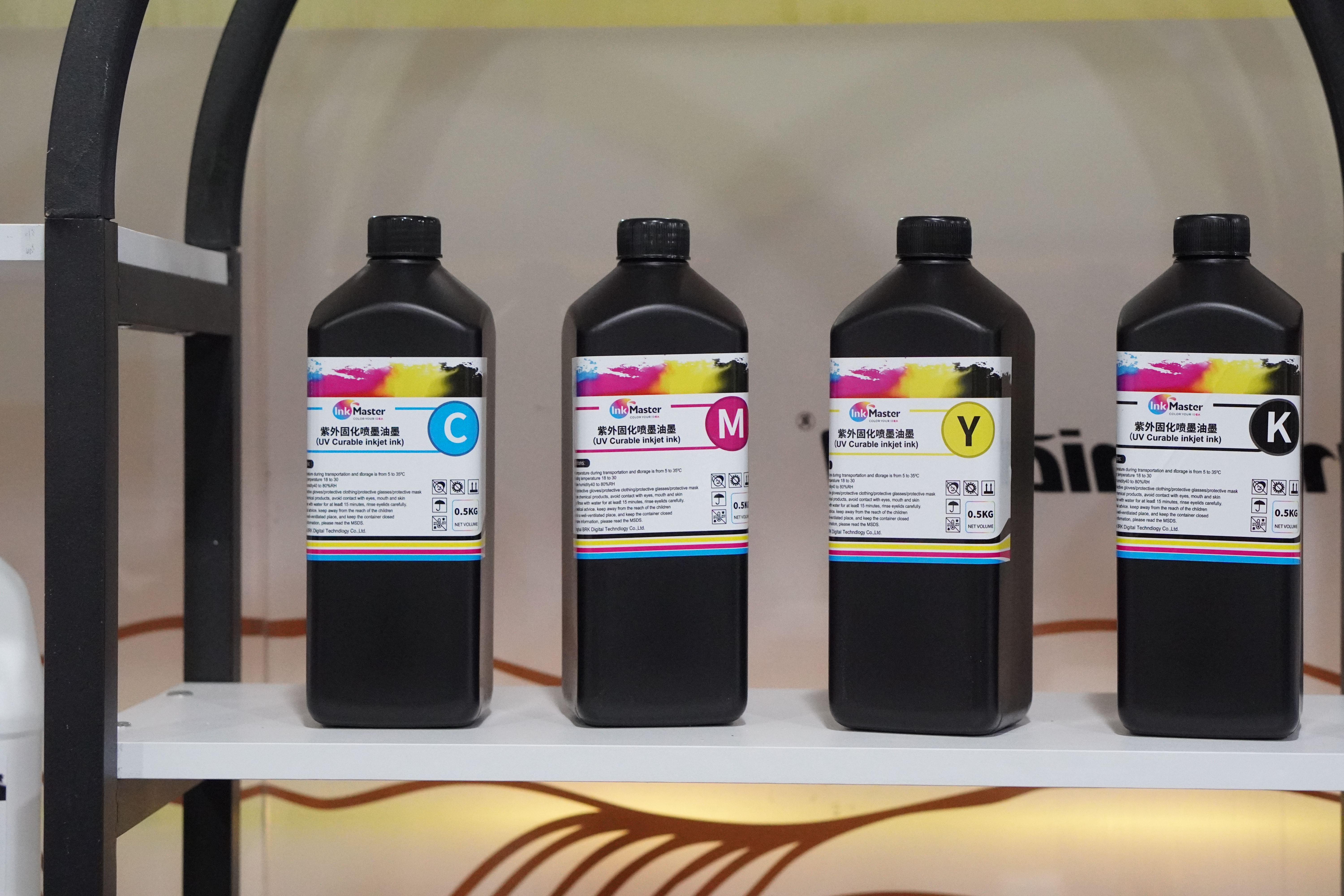
- Supports multiple ink systems (reactive, disperse, pigment, sublimation inks) to adapt to different materials like textiles, fabrics, paper, plastics, and metals.
- Features intelligent workflow integration, enabling seamless connection with design software and automated production lines for efficient batch processing.
Key Application Scenarios
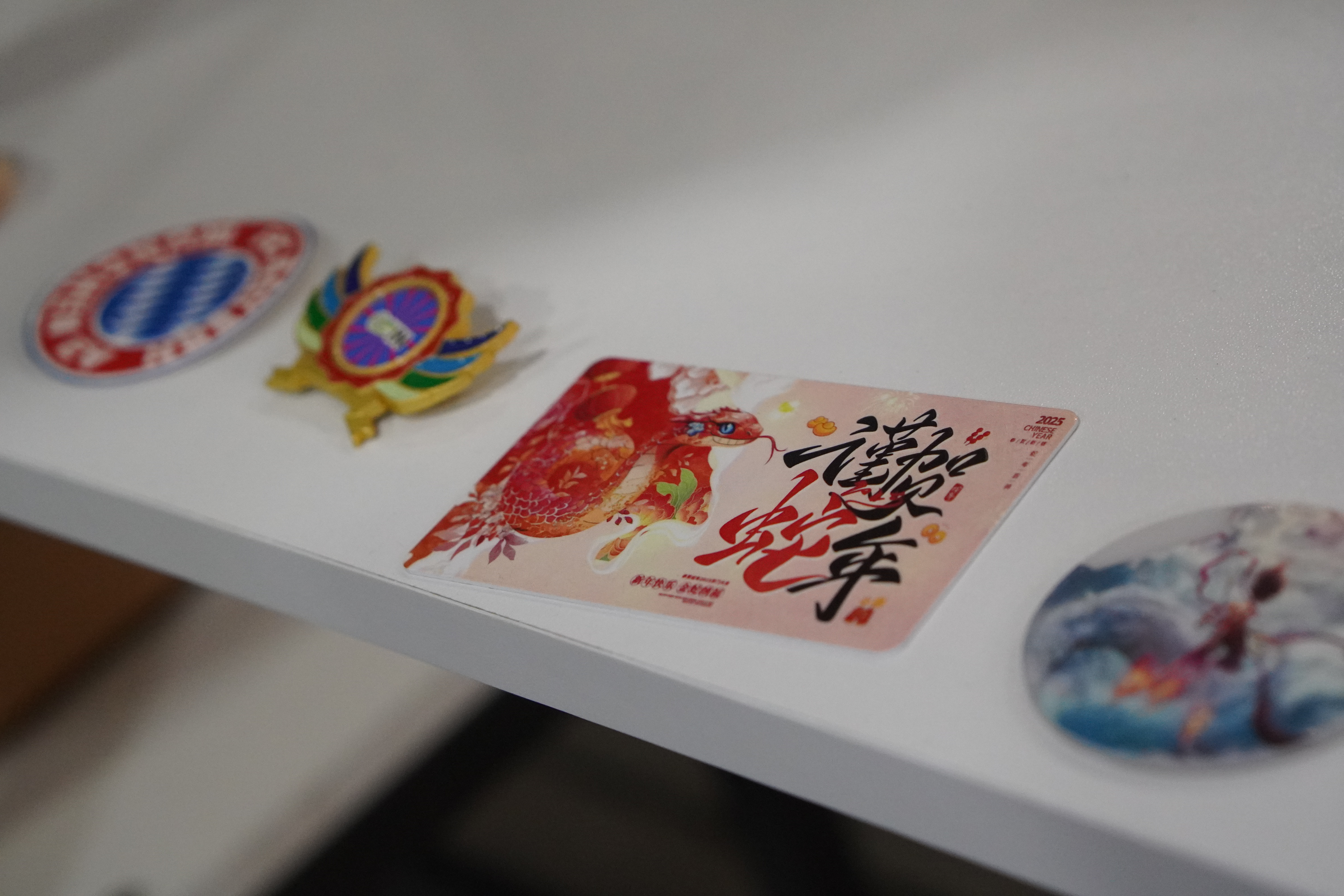
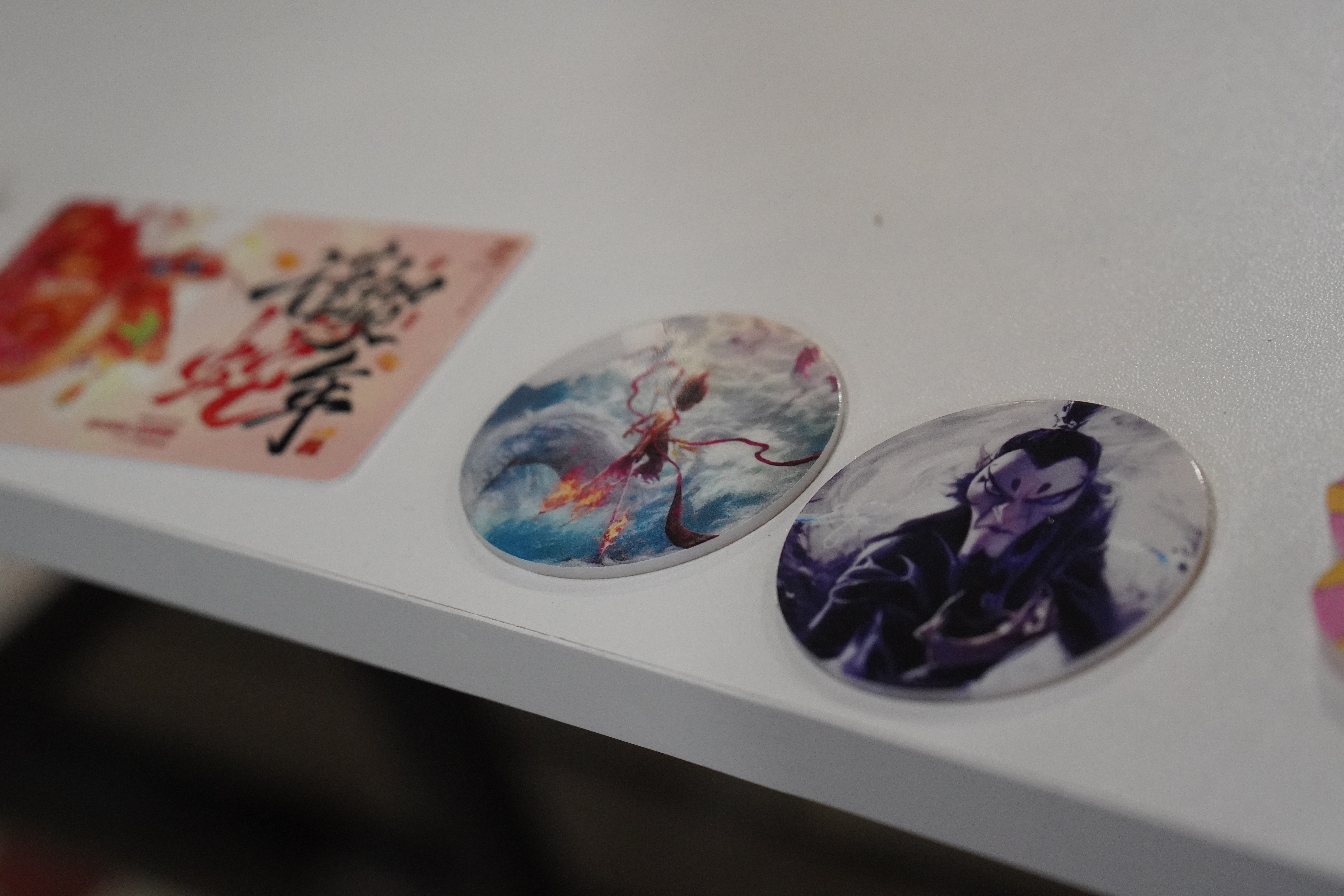
Widely used in textile and garment manufacturing (custom clothing, home textiles, industrial fabrics), advertising and signage (large-format banners, exhibition displays), packaging printing (custom labels, flexible packaging), and personalized customization (gifts, promotional items). It caters to both small-batch personalized orders and large-scale industrial production, offering unparalleled flexibility.
Industry Value & Innovation
Compared with traditional printing equipment, digital printing machines significantly reduce setup time, material waste, and production costs while minimizing environmental impact through low-VOC inks and energy-efficient operation. With continuous advancements in speed, durability, and material compatibility, they are driving the transformation of the printing industry towards digitization, customization, and sustainability.